Evaluating Coneberry: A Practical Guide to Modern High-Contrast Display Typography
Selecting the right typeface for a brand identity or editorial project often involves balancing aesthetic appeal with functional clarity. Coneberry has emerged as a notable option within the sophisticated display font category, offering a stylish sans serif aesthetic that bridges the gap between geometric precision and organic elegance. For designers, marketers, and business owners in sectors ranging from cosmetics to real estate, understanding the specific utility of this typeface is essential before integrating it into a visual system.
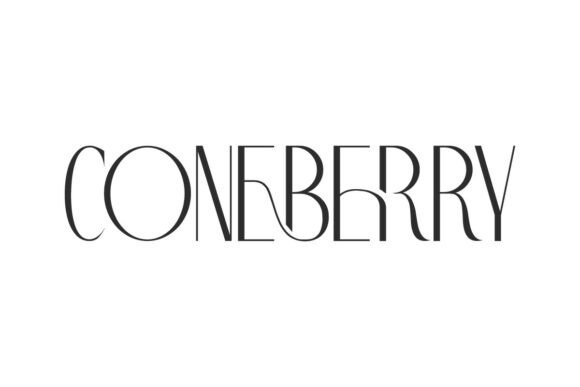
Coneberry is distinct because it operates as a high-contrast sans serif. Unlike traditional low-contrast grotesques that prioritize uniform stroke width for maximum neutrality, Coneberry introduces significant variation between thick and thin strokes. This design choice imbues the letterforms with a sense of rhythm and luxury typically reserved for serif typefaces, while retaining the clean, contemporary lines of modern sans serifs. The result is a typeface that feels chic and sleek without appearing sterile. When evaluating whether this font aligns with your project needs, it is helpful to analyze its specific characteristics against broader typographic categories and practical application scenarios.
Distinguishing Characteristics and Visual Tone
The primary differentiator for Coneberry is its ability to convey sophistication through simplicity. Many display fonts achieve impact through ornamentation or extreme stylization, which can limit their versatility. Coneberry takes a more restrained approach. Its "simple yet meaningful" construction suggests that the designer focused on negative space and proportion rather than decorative elements. This makes it particularly effective for brands that want to signal premium quality without relying on clichéd luxury tropes like gold foiling or intricate scripts.
For professionals such as makeup artists, skincare brands, and wedding organizers, the tone of a typeface communicates as much as the copy itself. Coneberry’s high contrast creates a vertical stress that guides the eye downward, lending a sense of stability and grace. In comparison to standard geometric sans serifs, which can sometimes feel cold or overly technical, Coneberry offers a warmer, more humanist touch. However, it remains structured enough to avoid the informality associated with rounded or handwritten alternatives. This balance makes it a strong candidate for industries where trust and aesthetics must coexist, such as home design and furniture retail.
Comparative Analysis: Coneberry vs. Standard Sans Serifs
When comparing Coneberry to ubiquitous neo-grotesque or geometric sans serifs, several tradeoffs become apparent. Standard sans serifs are often chosen for their invisibility; they are designed to be transparent vessels for information. Coneberry, conversely, is designed to be seen. It possesses a personality that demands attention in headlines, logos, and short-form copy.
- Visual Hierarchy: Standard sans serifs often require bold weights or size adjustments to create hierarchy. Coneberry achieves hierarchy inherently through its contrast, making lighter weights feel delicate and heavier weights feeling authoritative without needing excessive scaling.
- Brand Association: Generic sans serifs are safe but can struggle to differentiate a brand in saturated markets like beauty or real estate. Coneberry provides immediate stylistic signaling that places a brand in the "modern luxury" quadrant.
- Legibility at Scale: While excellent for display purposes, high-contrast sans serifs generally perform differently in body text compared to monolinear options. Readers should evaluate Coneberry primarily for titles, subheads, and pull quotes, potentially pairing it with a more utilitarian typeface for long-form content.
This distinction is crucial for graphic designers building comprehensive brand systems. If the goal is absolute neutrality for a technical manual or a data-heavy financial report, a standard grotesque may be superior. However, if the objective is to evoke emotion, style, or aspiration, Coneberry offers a distinct advantage.
Industry-Specific Applications and Fit
The recommendation of Coneberry for specific verticals is not arbitrary; it stems from the psychological associations of high-contrast typography. Understanding these associations helps determine if the font is the right tool for your specific context.
Cosmetics, Skincare, and Beauty
In the beauty industry, packaging and digital assets must communicate purity, efficacy, and elegance simultaneously. Coneberry’s sleek lines mirror the smooth textures associated with skincare products, while its sophisticated structure suggests clinical precision. Compared to ornate scripts that might suggest "handmade" or "vintage," Coneberry signals "modern science meets luxury." For a makeup artist portfolio, this typeface allows the photography to remain the focal point while providing a refined framework for captions and headers.
Real Estate and Interior Design
Architectural and interior design communications rely heavily on spatial awareness. Coneberry’s thoughtful design and balanced proportions complement architectural photography and minimalist floor plans. In real estate listings or property brochures, the font’s high contrast reads well against both white backgrounds and dark, moody imagery often used in luxury marketing. It avoids the corporate stiffness of traditional business fonts, helping residential properties feel like curated lifestyles rather than mere assets.
Wedding and Event Organization
While weddings traditionally lean toward calligraphy and serifs, modern couples increasingly seek minimalist aesthetics. Coneberry serves as an excellent alternative for those who want formality without frills. It pairs exceptionally well with ample whitespace and textured paper stocks. For event organizers, using this typeface in proposals and signage establishes a tone of organized elegance, distinguishing their services from competitors using outdated or overly trendy typography.
Technical Considerations and Limitations
No typeface is universally applicable, and an informed decision requires acknowledging limitations. Coneberry’s strengths in display settings also dictate its constraints in other areas.
Body Text Viability: Due to the high contrast between thick and thin strokes, Coneberry may lose legibility at very small sizes or in low-resolution environments. Thin strokes can disappear on screen or bleed together in print if not managed correctly. Designers should test the font rigorously at intended sizes. For extensive paragraphs, consider pairing Coneberry with a robust, low-contrast sans serif to maintain readability while preserving the stylistic voice in headings.
Spacing and Kerning: Sophisticated display fonts often feature tighter default tracking to create cohesive word shapes. Depending on the application, users may need to adjust optical spacing manually, especially for all-caps settings or large-scale environmental graphics. What looks perfect in a 72pt headline may require looser tracking when scaled up for a billboard or tightened for a business card.
Versus Variable Fonts: In an era of responsive web design, static display fonts face competition from variable fonts that adapt to screen size. Users should verify if Coneberry includes multiple weights or optical sizes to ensure flexibility across devices. If the project requires seamless adaptation from mobile to desktop, checking the font's technical specifications for responsive features is a necessary step.
Making the Final Selection Decision
Choosing Coneberry should be a strategic decision based on project goals rather than trend adherence. It is the right choice when the brief calls for a blend of modernity and refinement, and when the typography needs to carry significant emotional weight. It is less suitable for projects requiring aggressive industrialism, playful informality, or dense informational density.
When evaluating Coneberry against other options, create a mood board that includes the typeface alongside your core imagery and color palette. Assess whether the font enhances the visual narrative or competes with it. Test it in real-world contexts—mock up a social media post, a product label, or a website header. The "chic and sleek" descriptor only holds true if the typeface performs effectively within your specific ecosystem.
Ultimately, Coneberry represents a mature segment of contemporary typography where style does not sacrifice substance. For photographers, designers, and brand managers seeking to elevate their visual communication, it offers a compelling alternative to both safe standards and fleeting trends. By understanding its distinct high-contrast nature and appropriate use cases, professionals can leverage this typeface to build identities that are as meaningful as they are aesthetically pleasing.