Woody Grinch: A Bold Font for Rustic Design
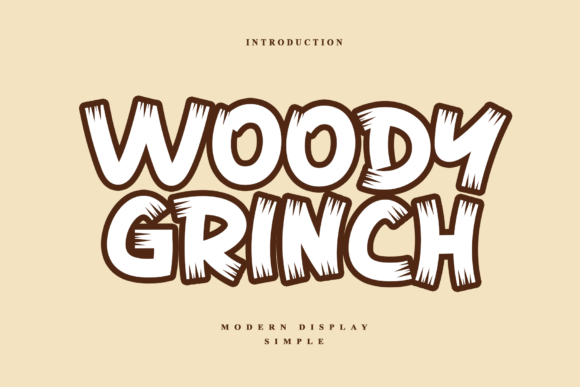
Typography often serves as the silent ambassador of a design, communicating mood and texture before a single word is processed. Woody Grinch exemplifies this principle through its distinctively tactile appearance. This bold and whimsical display font is characterized by a textured, wood-carved aesthetic that immediately evokes feelings of craftsmanship and organic warmth. Unlike sleek, modern sans-serifs that prioritize neutrality, Woody Grinch features chunky, bubbly letterforms with visible grain lines and rough, splintered edges. These imperfections are not flaws; they are the defining features that give the characters a rustic and organic personality.
The typeface’s heavy weight and playful, hand-crafted feel make it exceptionally eye-catching for headlines, but its utility extends far beyond mere novelty. For designers, marketers, and hobbyists alike, understanding the specific applications of this font is key to leveraging its cozy charm and bold, nature-inspired impact effectively across various media.
Why Texture Matters in Digital and Print Media
In an era dominated by flat design and minimalist interfaces, textured typography like Woody Grinch offers a necessary counterpoint. The visible grain lines and splintered edges introduce a sense of physicality to digital screens and printed materials. For graphic designers and brand strategists, this font solves a specific problem: how to convey authenticity without relying on stock photography or complex illustrations.
When evaluating this typeface, professionals often prioritize versatility within a niche. While it is undeniably a display font, its legibility at larger sizes makes it a reliable workhorse for specific campaigns. The "wood-carved" look suggests heritage and durability, which can be strategically applied to brands wanting to appear established or eco-conscious. However, the whimsical nature of the letterforms prevents it from feeling too austere, striking a balance that appeals to family-oriented demographics.
Holiday-Themed Projects and Seasonal Marketing
Perhaps the most immediate association with Woody Grinch is holiday design. For small business owners and marketers planning seasonal campaigns, this font provides an instant thematic anchor. It moves away from the cliché of elegant scripts and shiny serifs often associated with winter holidays, offering instead a cabin-in-the-woods aesthetic that feels grounded and nostalgic.
- Greeting Cards: The chunky forms provide ample space for custom color treatments, such as gold foil stamping or embossing, enhancing the tactile experience.
- Retail Signage: In physical stores, the font’s heavy weight ensures visibility from a distance while reinforcing a natural, artisanal product lineup.
- Social Media Graphics: The textured edges stand out against solid color backgrounds in feeds saturated with clean vector art, increasing stop-rate and engagement.
For these users, the priority is often speed and emotional resonance. Woody Grinch does the heavy lifting regarding atmosphere, allowing creators to focus on messaging rather than building a visual theme from scratch.
Outdoor Adventure and Nature Branding
Beyond the holidays, the font’s rugged characteristics make it a staple for outdoor and adventure branding. Entrepreneurs in the camping, hiking, or sustainable goods sectors may find that standard industrial fonts fail to capture the spirit of their brand. Woody Grinch communicates a sense of being handmade and weather-resistant.
When used in this context, the evaluation criteria shift toward long-term usefulness and commercial value. A logo or packaging design using this typeface needs to age well. The inherent distress in the letterforms means the design won't look outdated when trends shift toward cleaner aesthetics because it is rooted in a natural material simulation. For merchandise like enamel pins, t-shirts, or canvas tote bags, the font’s bold structure translates beautifully to screen printing and embroidery, where fine details might otherwise be lost.
Educational and Children’s Publishing Applications
The bubbly, rounded aspects of Woody Grinch soften its rustic edge, making it surprisingly appropriate for younger audiences. Educators, children’s book authors, and illustrators often seek typefaces that are approachable yet distinct. Standard comic-style fonts can sometimes feel juvenile or unprofessional, whereas Woody Grinch maintains a level of sophistication suitable for adult purchasers while remaining engaging for children.
For self-publishers and indie creators, cost and flexibility are paramount. Using a font that bridges the gap between "playful" and "artisanal" allows for broader market positioning. A children’s book title set in Woody Grinch signals to parents that the content has a folkloric or storybook quality, distinguishing it from mass-market educational materials. In classroom settings, teachers creating custom learning aids or reading charts can use the font to add visual interest to literacy materials without sacrificing readability for early readers who benefit from distinct letter shapes.
Evaluating Technical Suitability for Beginners
For beginners and hobbyists exploring typography, Woody Grinch serves as an excellent case study in pairing. Because the font is so visually loud, it demands careful handling. Novice designers might be tempted to use it for body text or subheaders, but this usually leads to legibility issues due to the textured edges and heavy weight.
A practical approach for those new to this typeface involves strict hierarchy:
- Reserve for Headlines: Use Woody Grinch exclusively for titles, logos, or short callouts (3–5 words maximum).
- Pair with Neutrals: Balance the organic chaos with a clean geometric sans-serif or a simple serif for supporting text. This contrast highlights the unique features of the display font.
- Mind the Spacing: Textured fonts often require adjusted kerning. Beginners should manually check spacing between letters to ensure the splintered edges do not collide or create awkward negative spaces.
Learning to manage such a distinctive typeface builds fundamental design skills regarding contrast, hierarchy, and negative space that apply to all future projects.
Determining If Woody Grinch Fits Your Project
Not every project requires a wood-carved aesthetic, and recognizing when not to use Woody Grinch is as important as knowing when to use it. The decision ultimately rests on the desired emotional outcome and practical constraints of the medium.
Choose Woody Grinch if:
- Your project requires a warm, handcrafted, or nostalgic tone.
- You are designing for print methods that favor bold shapes, such as linocut style posters or laser engraving.
- The target audience values authenticity, nature, or tradition over corporate polish.
- You need a headline font that acts as a primary visual element alongside imagery.
Reconsider if:
- The design requires high information density or small point sizes.
- The brand identity is futuristic, clinical, or luxury-focused.
- Accessibility is a primary concern for body copy, as textured edges can reduce character recognition for visually impaired readers.
- You need a versatile typeface family with multiple weights for a comprehensive design system.
Ultimately, Woody Grinch is a specialized tool in the typographic arsenal. Its value lies in its ability to instantly transform a blank canvas into something that feels touched by human hands. Whether you are a professional designer crafting a national park campaign, a teacher making holiday cards, or a small business owner updating your shop signage, this typeface offers a smart blend of cozy charm and bold impact. By aligning its unique characteristics with your specific goals and audience expectations, you ensure that the typography supports the message rather than competing with it.