Oblisk Font: Mastering Bold, Condensed Typography for Modern Design
In the vast landscape of digital typography, few typefaces manage to balance extreme stylistic expression with functional clarity. Oblisk stands out as a powerful, bold condensed display font specifically engineered to deliver a strong visual impact. For designers, marketers, and content creators, understanding how to leverage such a distinct typeface is crucial for creating work that not only captures attention but also communicates authority and sophistication. This guide explores the anatomy, application, and strategic value of the Oblisk typeface in contemporary design.
Defining the Aesthetic: What Makes Oblisk Unique?
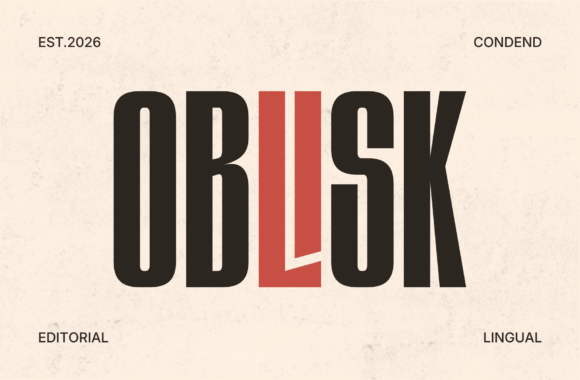
To understand why Oblisk is effective, one must first understand its structural DNA. Unlike traditional serif fonts or standard sans-serifs, Oblisk is defined by its tall proportions and clean geometric structure. It does not whisper; it commands. The typeface possesses a commanding presence that makes it inherently suitable for environments where space is at a premium, yet the message cannot be compromised.
The "condensed" nature of Oblisk is its superpower. In graphic design, horizontal space is often limited, especially in mobile-first web design, social media graphics, and print posters. By maximizing verticality, Oblisk allows designers to fit longer headlines into narrower columns without reducing legibility. However, it avoids the common pitfall of condensed fonts looking cramped or squeezed. Instead, its refined structure maintains excellent readability, ensuring that the bold layout feels intentional rather than forced.
The Psychology of Vertical Emphasis
Typography is never just about reading words; it is about feeling them. The strong vertical emphasis of Oblisk conveys specific psychological cues to the viewer:
- Confidence: Tall, upright letters suggest stability and assurance.
- Modernity: Geometric precision aligns with contemporary architectural and technological aesthetics.
- Urgency: Bold weights create an immediate focal point, guiding the eye instantly.
- Luxury: When spaced correctly, condensed forms mimic the elegance found in high-end fashion editorial layouts.
This combination gives Oblisk a confident, contemporary, and professional character that generic display fonts often lack.
Practical Applications: Where Oblisk Shines
While versatile, Oblisk is not a universal solution for every text element. It is a specialist tool. Understanding its ideal use cases helps prevent design missteps and ensures the font elevates the project to professional heights.
Editorial Headlines and Fashion Magazines
The fashion industry has long relied on condensed typography to convey avant-garde imagery. Oblisk is the perfect choice for fashion magazine titles because it mirrors the elongated silhouettes often found in fashion photography. Its minimalist geometry provides a neutral yet striking frame for complex imagery, allowing the photograph to breathe while the title asserts the publication's brand identity.
Luxury Brand Identities and Packaging
Luxury branding requires a delicate balance between visibility and exclusivity. Oblisk fits this niche by projecting a confident image without appearing aggressive. On perfume bottles, cosmetic packaging, or luxury shopping bags, the font’s clean lines suggest precision manufacturing and high-quality standards. Because of its extreme proportions, it excels as a primary headline font that demands vertical space, making it ideal for shelf talkers and point-of-sale displays where standing out is mandatory.
Modern Advertising and Posters
In advertising, you often have seconds to capture attention. Whether it is a digital banner ad or a physical bus shelter poster, Oblisk’s bold weight ensures legibility from a distance. Its condensed form maximizes space, allowing copywriters to include more descriptive keywords in the headline without cluttering the visual hierarchy. This is particularly relevant for SEO-friendly design in digital ads, where keyword relevance and visual appeal must coexist.
Mastering Typographic Hierarchy with Oblisk
A common misunderstanding among beginners is that a bold display font can carry an entire design alone. This is rarely true. Oblisk is a team player that requires the right partner. To create a high-contrast typographic hierarchy that is both stylish and legible, pairing is essential.
The Art of Contrast
The most effective way to utilize Oblisk is to pair it with wide-spaced, light-weight body text. This creates a dynamic tension:
- The Anchor: Oblisk serves as the heavy, vertical anchor.
- The Breath: A light sans-serif or humanist serif with generous tracking (letter-spacing) provides horizontal relief.
- The Balance: The contrast between the tight, tall headline and the airy, wide body copy guides the reader’s eye naturally through the layout.
This approach prevents the design from feeling top-heavy. If you were to pair Oblisk with another bold, condensed font, the result would likely be visually exhausting. Conversely, pairing it with a delicate script might create a disconnect in tone. The goal is a cohesive narrative where the headline shouts and the body text converses.
Technical Considerations for Designers
Beyond aesthetics, practical workflow matters. One of the significant technical advantages of the Oblisk typeface is its accessibility across different platforms. All glyphs and swashes are PUA encoded. For those new to typography, PUA (Private Use Area) encoding means that special characters, alternates, and decorative swashes are mapped to Unicode slots that allow them to be accessed easily in any design software.
You do not need advanced OpenType features enabled or specialized plugins to access the full creative potential of the font. Whether you are working in Adobe Illustrator, Photoshop, Canva, or even basic word processing software for mockups, the unique stylistic elements of Oblisk remain simple to use. This democratizes high-end typography, allowing students, freelancers, and agency professionals alike to achieve consistent results regardless of their toolset.
Common Misconceptions About Condensed Fonts
Despite its utility, some designers hesitate to use condensed fonts like Oblisk due to outdated assumptions. Let’s clarify a few:
- "Condensed fonts are hard to read." While true for poorly designed novelties, Oblisk’s clean geometric structure ensures that letterforms remain distinct. Readability issues usually stem from improper sizing or spacing, not the font itself.
- "They look dated." Condensed gothics were popular in the mid-20th century, but Oblisk’s modern geometry places it firmly in the current era. It references history without being trapped by it.
- "They are only for sports or industrial themes." While historically associated with strength, Oblisk’s refined proportions make it equally adept for beauty, art galleries, and tech startups.
Elevating Your Creative Projects
Whether you are working on a high-fashion digital ad, a contemporary art gallery catalogue, or a minimalist book cover, the typeface you choose sets the emotional temperature of the piece. Oblisk provides the refined structure and visual impact necessary to transform a generic layout into a memorable brand experience.
By respecting its need for vertical space, pairing it thoughtfully with contrasting body copy, and utilizing its accessible glyph set, designers can harness the full power of this bold condensed display font. In a world saturated with visual noise, Oblisk offers a clear, confident voice that cuts through the clutter, proving that sometimes, the tallest letterforms make the deepest impression.