Wildink: Bold Brush Font for High-Impact Design
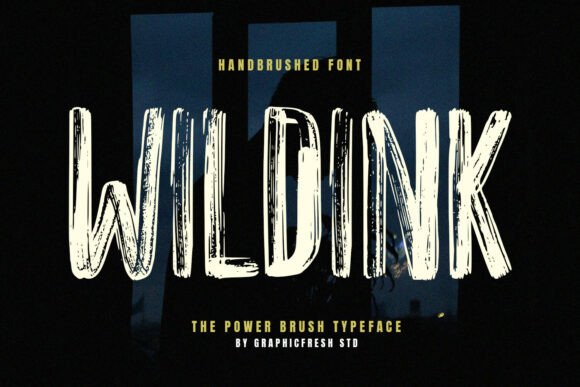
In the crowded landscape of digital design, capturing attention within a fraction of a second is often the difference between engagement and obscurity. Typography serves as the primary vehicle for this immediate connection, acting as the visual voice of your message before a single word is cognitively processed. Wildink enters this space not as a subtle whisper, but as a confident declaration. This power-driven brush font is engineered specifically for moments that demand bold impact and unstoppable energy. Unlike standard script fonts that prioritize delicate elegance, Wildink leverages strong hand-painted strokes to convey intensity and expressive force, making it an essential tool for designers who need their headlines to carry weight.
The Anatomy of Expressive Force
Understanding why Wildink works requires looking beyond its aesthetic appeal to its structural construction. The typeface is built from dynamic movement rather than static geometry. Each letterform retains the organic imperfections of a physical brush, yet these textures are refined to ensure they do not compromise legibility at larger sizes. This balance is critical. Many display fonts sacrifice readability for style, resulting in beautiful but unusable graphics. Wildink maintains solid readability through consistent stroke weights and open counters, even while delivering a textured, gritty appearance that feels raw and authentic.
The "hand-painted" quality is not merely a filter applied over a digital skeleton; it is intrinsic to the design. This gives the font a tactile presence that flat, vector-perfect typefaces often lack. When used in branding or advertising, this texture triggers a psychological response associated with craftsmanship, human effort, and genuine passion. For marketers and creators targeting audiences aged 20 to 50, this authenticity bridges the gap between corporate polish and personal connection, suggesting that there is a real person behind the brand.
Strategic Applications Across Industries
Versatility is a hallmark of professional-grade typography, and Wildink adapts effectively across various commercial and creative environments. Its utility extends far beyond simple decoration, functioning as a strategic asset in communication hierarchies.
- Brand Identity and Logotypes: For startups, gyms, streetwear labels, and creative agencies, Wildink provides instant personality. It works exceptionally well for logotypes where the brand name needs to stand alone without supporting iconography. The font’s inherent confidence suggests stability and boldness, traits valuable for businesses establishing market authority.
- Social Media Graphics: In feeds dominated by polished photography and minimalist sans-serifs, Wildink creates necessary contrast. Use it for Instagram carousel covers, YouTube thumbnails, or TikTok text overlays. The textured edges remain crisp on mobile screens, ensuring your message cuts through algorithmic noise.
- Event Marketing and Posters: Concerts, festivals, sports events, and product launches rely on high-energy visuals. Wildink captures the adrenaline of live experiences better than clean geometric fonts. Its dynamic flow guides the viewer’s eye across the poster layout, creating a sense of motion even in static print media.
- Merchandise and Apparel: T-shirts, caps, and tote bags require typography that looks good when scaled up. Wildink’s bold strokes translate perfectly to screen printing and embroidery, maintaining integrity without becoming muddy or overly intricate.
- Editorial and Blog Headers: Content creators can use Wildink to break up long-form text. A powerful header resets the reader's attention span and adds visual rhythm to articles, newsletters, and educational materials.
Enhancing Communication Through Visual Tone
Typography is never neutral; it always carries emotional baggage. Selecting Wildink is a deliberate choice to set a specific tone. It communicates urgency, excitement, and modernity. For educators and bloggers, this means you can highlight key takeaways or motivational quotes with a visual emphasis that matches the semantic weight of the words. Instead of using bold or italic formatting within a body paragraph, which can sometimes feel aggressive or messy, a dedicated display font like Wildink allows you to create distinct visual zones.
This separation improves user experience (UX) by making content scannable. Readers can quickly identify sections of interest based on typographic cues. When a headline uses a font with such distinct character, it acts as a landmark in the content landscape. For entrepreneurs selling courses or coaching services, this visual hierarchy helps guide potential clients through sales pages, emphasizing value propositions and calls to action without resorting to manipulative design patterns. The strength of the font does the heavy lifting, allowing the copy to remain clear and concise.
Practical Considerations for Implementation
While Wildink is a powerful asset, its effectiveness depends entirely on how it is wielded. Like any specialized tool, it requires thoughtful application to avoid visual fatigue or design clutter. Professional designers should consider several practical factors when integrating this typeface into their workflow.
Pairing is paramount. Because Wildink possesses so much personality, it demands a supportive partner. Avoid pairing it with other decorative or handwritten fonts, as this creates competition rather than harmony. Instead, anchor it with clean, neutral sans-serifs or highly legible serifs for body text. The contrast between the wild energy of the headline and the structured calm of the body copy creates a sophisticated tension that elevates the entire design. Think of Wildink as the lead singer and your body font as the rhythm section; both are necessary, but only one should be soloing at a time.
Mind the spacing. Brush fonts often have unique kerning requirements due to their organic shapes. While Wildink is designed with solid readability, you may need to manually adjust tracking for specific words or phrases to optimize the negative space between letters. Tighter tracking can increase intensity and cohesion, while looser tracking can add airiness and modern sophistication. Test different settings at the actual size of reproduction to ensure the texture doesn't cause letters to bleed together visually.
Color and background interaction. The textured nature of Wildink interacts differently with color than smooth vectors. On dark backgrounds, the rough edges can appear to glow or vibrate, enhancing the energetic feel. On light backgrounds, ensure sufficient contrast so the finer details of the brush strokes don't disappear. If using the font in video or animation, be mindful of aliasing; the texture may require specific rendering settings to remain crisp during motion.
Evaluating Return on Design Investment
For freelancers and business owners, every design choice must justify itself through results. Using Wildink is not just an aesthetic preference; it is a functional decision aimed at improving engagement metrics. In A/B testing scenarios, headlines featuring expressive, textured typography often outperform generic alternatives because they signal novelty and effort. This is particularly true in industries saturated with template-based design. By adopting a font with such distinct character, you differentiate your visual assets from competitors relying on overused system fonts.
Furthermore, consistency builds recognition. Incorporating Wildink into a comprehensive brand kit ensures that all touchpoints—from email signatures to billboard ads—share a unified visual language. This coherence reduces cognitive load for your audience, making your brand easier to remember and trust. Over time, the font becomes synonymous with your specific brand of energy, turning typography into a valuable intangible asset.
Ultimately, Wildink succeeds because it respects the fundamental purpose of display typography: to stop the scroll and invite closer inspection. It offers a blend of artistic expression and commercial viability that is rare in the current market. Whether you are designing a festival poster, launching a new product line, or simply trying to make your blog headers more engaging, this font provides the structural confidence needed to make your message resonate. By understanding its strengths and respecting its limitations, you can harness its unstoppable energy to create work that is not only seen but felt.