Evaluating Round Varsity for Athletic and Bold Display Typography
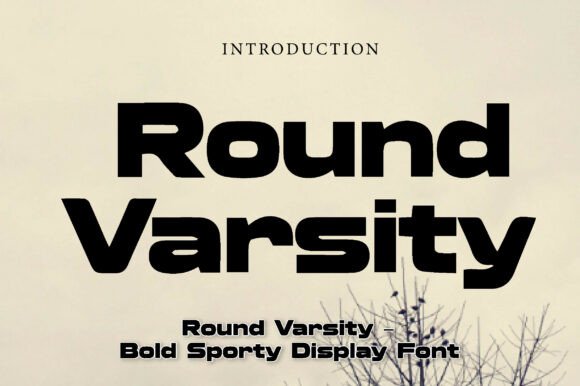
Selecting the right typeface for sports branding, gaming interfaces, or high-impact posters requires balancing tradition with contemporary legibility. Round Varsity occupies a specific niche in this spectrum, offering a modernized interpretation of classic collegiate lettering. Unlike traditional varsity fonts that often rely on sharp serifs and rigid angles, Round Varsity introduces softened geometry and a robust structure. This distinction is critical for designers evaluating whether to maintain historical accuracy or pivot toward a more approachable, dynamic aesthetic. Understanding the functional differences between this rounded display font and standard athletic typography helps determine if it aligns with your project’s visual goals.
Distinguishing Characteristics from Traditional Athletic Fonts
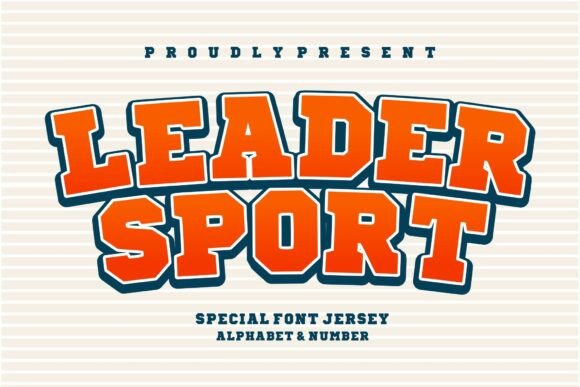
The primary differentiator of Round Varsity lies in its terminal treatment and overall weight distribution. Classic varsity typefaces, often derived from mid-20th-century university standards, typically feature slab serifs and sharp corners. These elements convey authority and history but can appear aggressive or dated in modern digital contexts. Round Varsity retains the heavy stroke width and condensed proportions necessary for athletic identification but replaces the sharp edges with gentle curves. This modification serves two practical purposes:
- Psychological Approachability: The rounded terminals reduce visual tension, making the font feel energetic rather than intimidating. This is particularly relevant for youth sports organizations, e-sports teams, or lifestyle fitness brands where community engagement is as important as competitive prestige.
- Digital Legibility: Sharp serifs can degrade at lower resolutions or on small screens. The simplified, rounded geometry of Round Varsity maintains clarity across various media, from mobile app icons to large-format stadium signage, without requiring extensive hinting or optical adjustments.
When comparing options, consider whether your audience responds better to heritage or modernity. If the goal is to evoke a specific decade or institutional legacy, a traditional slab-serif varsity may be superior. However, if the objective is to signal forward momentum and accessibility while retaining athletic strength, Round Varsity offers a distinct advantage.
Geometric Structure vs. Hand-Lettered Aesthetics
Another evaluation factor is the construction method implied by the typeface. Many athletic fonts mimic hand-painted signwriting, resulting in irregularities that add character but complicate layout alignment. Round Varsity is constructed with digital precision. Its consistent baseline and cap height make it significantly easier to typeset in grid-based layouts. For designers working within strict UI systems or packaging templates where space is calculated mathematically, this structural reliability reduces production time compared to managing the idiosyncrasies of vintage-style alternatives.
Optimal Use Cases and Application Scenarios
Round Varsity performs best in environments where typography must function as a graphical element rather than merely a vehicle for text. Its bold stance makes it suitable for short, impactful messaging. Evaluating your specific application against these proven use cases can prevent misalignment between font choice and design intent.
Sports Branding and Team Identity
In team logos and jersey numbering, readability at a distance is paramount. Round Varsity’s open counters and substantial x-height ensure that letters remain distinct even when viewed from stadium seating or captured in motion blur during video broadcasts. Compared to narrower athletic fonts, Round Varsity provides better negative space management, preventing letters from merging when printed on textured fabrics like mesh or polyester. This makes it a pragmatic choice for merchandise production where print fidelity varies.
Gaming Graphics and Esports Interfaces
The gaming industry frequently utilizes athletic typography to convey competition and achievement. However, the demographic for gaming skews younger and more digitally native than traditional sports audiences. Round Varsity bridges this gap by pairing athletic weight with a tech-friendly silhouette. It works effectively in HUD (Heads-Up Display) elements, achievement badges, and tournament brackets where a purely retro font might feel out of place against neon or 3D-rendered backgrounds. When evaluating fonts for UI kits, test Round Varsity alongside your color palette; its rounded forms tend to interact more predictably with glow effects and drop shadows than sharp-edged alternatives.
Packaging and Retail Signage
For energy drinks, athletic wear, or supplement packaging, typography must compete for attention on crowded shelves. Round Varsity asserts presence without the abrasive quality of some industrial display fonts. Its confident stance allows it to anchor a package design, supporting secondary information set in lighter sans-serifs. In retail environments, the font’s friendly geometry can make promotional signage feel inviting rather than commanding, potentially increasing dwell time in consumer-facing spaces.
Tradeoffs and Limitations to Consider
No typeface is universally appropriate. While Round Varsity excels in display settings, acknowledging its limitations prevents costly redesigns later in the production process. Professional evaluation requires an honest assessment of where the font falls short.
- Unsuitability for Body Text: Like most display fonts, Round Varsity is designed for large sizes. At paragraph scales, the heavy strokes and rounded details create visual noise that fatigues the reader. If your project requires extensive explanatory text, you will need to pair this font with a neutral sans-serif or grotesque typeface. Do not attempt to use Round Varsity for captions, disclaimers, or long-form content.
- Limited Weight Variants: Depending on the specific release, Round Varsity may offer fewer weights than comprehensive super-families. If your design system requires a delicate hierarchy spanning thin to black weights, verify availability before committing. You may find yourself needing a secondary typeface to handle intermediate emphasis levels.
- Tone Mismatch for Formal Institutions: While excellent for commercial and recreational athletics, the rounded aesthetic may lack the gravitas required for elite academic institutions, luxury sporting goods, or memorial tributes. In these contexts, the softness can be perceived as casual or juvenile. Always cross-reference the font’s personality with the brand’s established voice guidelines.
- Spacing Adjustments: Despite its digital construction, display fonts often require manual kerning for optimal logo lockups. Relying solely on default metrics may result in uneven spacing, particularly with diagonal characters like 'A', 'V', or 'W'. Budget time for typographic refinement during the identity development phase.
Comparative Evaluation: Making the Final Decision
Choosing Round Varsity should be a deliberate decision based on comparative testing rather than assumption. When reviewing candidates for your next project, apply these practical evaluation criteria to determine fit.
Visual Compatibility Testing
Place Round Varsity directly beside your current top contender in a mockup environment. Evaluate them at three scales: thumbnail size (for social media avatars), medium size (for web headers), and large format (for print or environmental graphics). Note how the rounded terminals perform at each scale. Does the font lose definition when shrunk? Does it become overwhelming when enlarged? The ideal choice maintains proportional integrity across all intended touchpoints.
Audience Resonance Assessment
Consider the emotional response you intend to elicit. If stakeholder feedback indicates that previous designs felt "too aggressive" or "outdated," Round Varsity’s softened geometry addresses these concerns directly. Conversely, if feedback suggests designs lack "edge" or "seriousness," a sharper alternative may be necessary. Typography carries semantic meaning beyond the words themselves; ensure the form reinforces the message.
Technical Workflow Integration
Verify licensing terms and file format compatibility early. Some display fonts are optimized for print and lack variable font technology needed for responsive web design. If your project spans both physical and digital realms, confirm that Round Varsity includes the necessary web formats (WOFF2) and supports the character sets required for international localization. A font that looks perfect in English but lacks accented characters for global markets creates downstream friction.
Balancing Aesthetic Impact with Functional Requirements
Round Varsity represents a thoughtful evolution of athletic typography, prioritizing versatility alongside visual impact. Its value proposition centers on providing the assertive presence of varsity lettering while removing the barriers associated with vintage aesthetics. For designers tasked with creating identities that must feel both competitive and contemporary, it offers a compelling middle ground.
However, successful implementation depends on respecting its role as a display tool. By pairing it appropriately, testing rigorously across media, and acknowledging its tonal boundaries, you can leverage Round Varsity to create designs that communicate energy and confidence. Ultimately, the decision should rest on whether the font’s specific blend of robustness and softness solves the unique communication challenges of your project, rather than simply following current design trends. Thorough evaluation ensures that your typography not only looks distinctive but also performs reliably throughout the lifecycle of the brand or campaign.