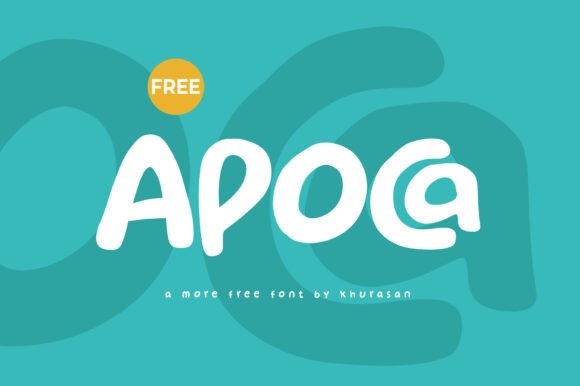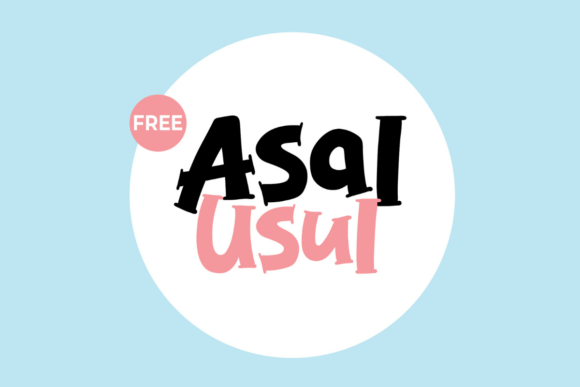
Asal Usul: A Modern Cute Font for Creative Projects
Finding a typeface that balances contemporary aesthetics with genuine warmth is often a challenge for designers. We frequently have to choose between sterile, corporate sans-serifs or overly decorative scripts that sacrifice readability for style. Asal Usul bridges this gap effectively. It is a modern and cute display font that brings a distinct personality to visual work without appearing childish or unprofessional. For creators looking to inject approachability into their designs, this typeface offers a versatile solution that works across a surprising variety of mediums.
The true value of Asal Usul lies in its ability to soften a brand’s image while maintaining structural integrity. In an era where digital interfaces and print materials often feel cold and algorithmic, typography that evokes a human touch performs better. This font captures that sentiment perfectly. It is not merely a novelty item; it is a functional design tool built for posters, logos, magazines, book covers, banners, and digital assets. When you integrate it into your workflow, you are not just changing letters; you are adjusting the emotional temperature of your entire project.
Defining Characteristics and Visual Strengths
To use Asal Usul effectively, one must understand what makes it tick. It avoids the sharp, aggressive terminals found in many modern geometric fonts. Instead, it utilizes softened curves and balanced proportions that create a sense of safety and friendliness. The "cute" aspect is derived from these subtle rounded details rather than exaggerated caricatures. This restraint is crucial. It allows the font to remain legible at smaller display sizes while retaining its charm at large scales.
The weight distribution is another notable quality. Many novelty display fonts suffer from inconsistent stroke widths that make them difficult to pair with body text. Asal Usul maintains a steady rhythm, making it surprisingly compatible with clean sans-serif companions like Inter, Montserrat, or Open Sans. This compatibility reduces friction during the layout phase. You spend less time forcing elements to work together and more time refining the actual message. The result is a cohesive visual hierarchy where the headline grabs attention through character, not just volume.
Practical Applications Across Industries
Versatility is the primary metric for evaluating any new font acquisition. Asal Usul proves its worth by adapting to diverse professional environments. Its utility extends far beyond greeting cards or children's products. Consider how different sectors can leverage this specific aesthetic:
- Artisanal Food and Beverage: Coffee shops, bakeries, and organic food brands benefit immensely from this style. It communicates freshness and handmade quality better than rigid industrial typefaces. Menu boards and packaging labels become more inviting, encouraging customers to linger and explore.
- Lifestyle and Wellness Branding: Yoga studios, skincare lines, and mental health platforms require visuals that signal empathy and calm. Asal Usul provides a non-clinical alternative to standard medical or fitness typography. It helps destigmatize wellness topics by wrapping them in accessible, gentle letterforms.
- Creative Education and EdTech: Adult learning platforms and creative workshops need to appear engaging without being patronizing. This font strikes the right note for course thumbnails, webinar slides, and certification badges. It suggests that learning can be enjoyable and stress-free.
- Independent Publishing: Zines, poetry collections, and indie fiction covers often rely on unique typography to stand out in crowded marketplaces. Asal Usul offers a distinctive voice for narratives that are personal, quirky, or heartwarming. It signals genre expectations instantly to potential readers browsing online or in bookstores.
- Social Media Content Creation: Engagement rates often correlate with visual stop-power. Using this font in Instagram carousels, Pinterest pins, or YouTube thumbnails creates a consistent brand asset. It is highly readable on mobile screens, which is essential for capturing scrollers in under three seconds.
Enhancing Communication and User Experience
Typography is ultimately about communication efficiency. While we discuss aesthetics, the functional role of Asal Usul is to reduce cognitive load for the viewer. Friendly typefaces have been shown in various UX studies to increase perceived usability and trust. When a user encounters a website header or an app notification set in this style, they subconsciously anticipate a positive interaction. This psychological priming is valuable for conversion-focused projects.
For marketers and entrepreneurs, this translates to tangible benefits. A landing page using Asal Usul for key value propositions may see higher engagement because the copy feels less like a sales pitch and more like a conversation. In email marketing, subject lines or preview text rendered in images using this font can improve open rates by standing out against the sea of Arial and Helvetica in the inbox. It is a strategic differentiation tactic disguised as a stylistic choice.
Implementation Best Practices and Pairing Strategies
Getting the most out of Asal Usul requires disciplined application. Because it has such a strong personality, it should primarily serve as a display face. Avoid setting long paragraphs of body text in this style; the unique letterforms will fatigue the reader over extended passages. Reserve it for headlines, pull quotes, logos, and short call-to-action buttons.
Pairing is equally important. To maintain a professional edge, anchor Asal Usul with a neutral, high-x-height sans-serif for supporting content. If your project demands a more traditional feel, a classic serif like Merriweather or Lora can create a beautiful tension between old-world credibility and modern playfulness. Always test your combinations at actual output sizes. What looks balanced on a 27-inch monitor might feel cramped on a business card or overwhelming on a billboard.
Color selection also influences how this font is perceived. High-contrast combinations (like dark charcoal on cream) emphasize its modern structure. Pastel palettes lean into the "cute" aspect, suitable for baby products or spring campaigns. Bold, saturated colors push it toward pop-art and youth culture. Your color choices act as a dial, allowing you to tune the font’s intensity to match specific campaign goals.
Evaluating Fit for Your Next Project
Before adding Asal Usul to your creative arsenal, assess whether it aligns with your brand voice. It is ideal for brands that prioritize approachability, creativity, and optimism. It is less suitable for luxury finance, heavy industry, or legal services where authority and tradition are paramount. Understanding these boundaries prevents misuse and ensures the font enhances rather than undermines your message.
When licensing, always verify the terms for your specific use case. Commercial projects, web embedding, and app usage often require different license tiers. Investing in the correct license upfront protects your business and supports the type designer. Treat this font as a professional asset. Organize it within your design system alongside your color palette and iconography so team members can access it consistently.
Ultimately, Asal Usul represents a shift toward more empathetic design. It acknowledges that audiences respond to warmth and humanity. By incorporating it into your posters, logos, and digital experiences, you signal that your brand understands the value of connection. It is a small typographic change that can yield significant improvements in how your work is perceived and received. Add it to your toolkit, experiment with its nuances, and watch how it transforms ordinary layouts into memorable communications.