Apoca: Relaxed Handwritten Charm for Modern Brands
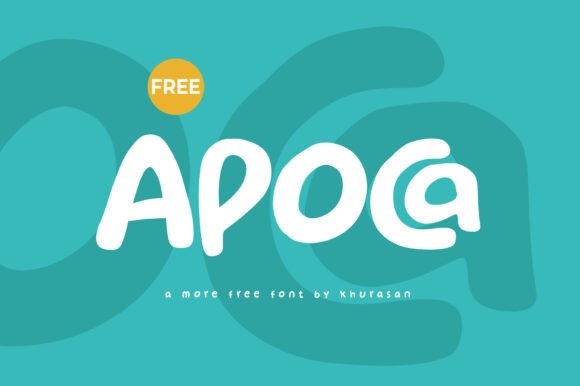
There is a distinct difference between typography that demands attention and typography that invites conversation. In a digital landscape often saturated with rigid grids and sterile geometric sans serifs, finding a typeface that feels genuinely human can transform how an audience connects with your message. Apoca steps into this space not as a loud shouter, but as a confident, relaxed voice. It is a wonderfully expressive display font that captures the spontaneous energy of marker-on-paper without sacrificing the polish required for professional commercial work.
This isn't a script font trying to mimic 19th-century calligraphy, nor is it a standard handwritten font that looks like a child’s primer. Apoca occupies a unique niche in modern typography. It balances smooth, medium-weight strokes with organic imperfections that suggest movement and authenticity. For designers, marketers, and small business owners, understanding the specific personality of this typeface is key to leveraging it effectively across brand identities, packaging, and editorial layouts.
The Anatomy of Approachable Typography
What makes Apoca feel so effortless is actually the result of deliberate design choices. The most striking feature is its mismatched mixed-case baseline heights. In natural handwriting, we rarely keep our letters perfectly aligned on an invisible line; they dance up and down based on speed and emphasis. Apoca replicates this kinetic rhythm digitally. This variation prevents the text from looking static or computer-generated, injecting a sense of "on-the-fly" creation even when the layout is meticulously crafted.
The stroke weight sits comfortably in the medium range, avoiding the fragility of thin scripts and the aggression of heavy bolds. This versatility allows it to function as both a primary headline typeface and a supportive accent element. The curves are playful yet controlled, maintaining open counters that ensure legibility even at smaller display sizes. When evaluating creative fonts for indie lifestyle branding or artisanal product packaging, this balance is crucial. You want the warmth of hand-drawn lettering, but you also need the reliability of a premium font that won't pixelate or become illegible when scaled down for a hang tag or Instagram story.
Where Authenticity Drives Engagement
Apoca thrives in environments where trust and personal connection are paramount. Its visual posture suggests transparency and creativity, making it an exceptional choice for specific industries and project types:
- Boutique Artisanal Packaging: For coffee roasters, skincare lines, or craft breweries, Apoca communicates small-batch quality. It pairs beautifully with textured papers and earthy color palettes, reinforcing the tactile nature of the product.
- Indie Lifestyle Branding: Fashion labels, wellness coaches, and sustainable home goods brands benefit from its relaxed energy. It softens corporate messaging and aligns visual identity with values of mindfulness and authenticity.
- Social Media Graphics: High-impact quotes and carousel headers need to stop the scroll without feeling like ads. Apoca’s organic forms create visual interest in square and vertical formats, encouraging higher engagement rates than standard sans serif overlays.
- Casual Book Titles & Editorial: Memoirs, cookbooks, and self-help guides often require typography that feels intimate. Using Apoca for chapter headers or cover titles signals to the reader that the content inside is personal and accessible.
- Custom Greeting Cards & Stationery: Beyond commercial use, its legible playfulness makes it ideal for wedding invitations, thank-you notes, and personalized stationery where traditional scripts might feel too formal or dated.
Strategic Pairings and Visual Hierarchy
A display font like Apoca should never carry the entire typographic load of a project. Its strength lies in contrast. To maintain professionalism and readability, pair it with typefaces that provide structural stability. A clean, neutral sans serif font works exceptionally well for body copy, allowing Apoca to shine in headlines without competing for attention. Alternatively, a classic serif font can add a touch of editorial sophistication, grounding the playfulness of the handwritten elements with traditional authority.
When establishing visual hierarchy, consider scale and spacing. Because Apoca has inherent baseline variation, tight tracking can sometimes cause characters to collide awkwardly. Giving the letters room to breathe preserves their organic charm and improves scanability. In logo design, this might mean using Apoca for the wordmark while relying on a simple icon or secondary typeface for the tagline. In web design, reserve it for H1 and H2 tags or pull quotes, ensuring that long-form content remains comfortable to read on screens.
Evaluating Fit and Commercial Viability
Before integrating any new typeface into your design assets library, practical evaluation is necessary. While Apoca is versatile, it is not universal. Test it against your specific project requirements by setting real content rather than placeholder text. Check how capital letters interact with lowercase ones in all-caps settings; while the mixed-case baseline is a feature, excessive uppercase usage can sometimes reduce readability depending on the context.
Consider the emotional tone of your brand identity. If your goal is to convey institutional stability, luxury exclusivity, or technical precision, Apoca may send mixed signals. However, if your objective is to lower barriers to entry, foster community, or highlight creative expression, it is a powerful tool. Always verify commercial licensing terms before deployment. Ensuring you have the appropriate license for web embedding, app usage, or merchandise protects your business and supports the type designer’s continued work.
Ultimately, typography is about communication efficiency wrapped in aesthetic intention. Apoca offers a rare combination of casual energy and functional clarity. By treating it as a strategic asset rather than mere decoration, designers and entrepreneurs can create layouts that resonate deeply with audiences seeking genuine human connection in an increasingly automated world. Whether applied to a boutique wine label or a mental health blog header, its expressive strokes remind viewers that there is a person behind the pixels.