Western Rough: Authentic Distressed Typography
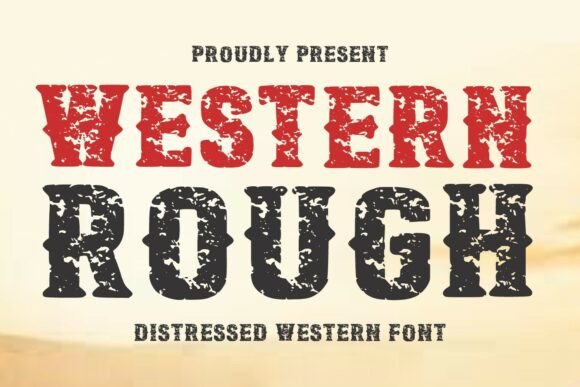
Achieving a genuine vintage aesthetic in digital design often requires more than simply applying a noise filter to a modern typeface. True authenticity comes from the structure of the letterforms themselves. Western Rough addresses this specific design challenge by integrating distressed textures directly into bold slab-serif foundations. For designers, marketers, and business owners working within the Americana, rustic, or heritage sectors, this font serves as a functional tool rather than just a decorative element. It bridges the gap between historical accuracy and modern legibility, allowing projects to evoke the spirit of the Wild West without sacrificing professional clarity.
Balancing Rugged Texture with Modern Legibility
The primary concern when selecting distressed typography is readability. Many vintage-style fonts prioritize erosion over function, resulting in letters that are difficult to parse at smaller sizes or from a distance. Western Rough mitigates this issue through its strong slab-serif skeleton. The underlying geometry remains solid and consistent, ensuring that the eye can track the text effortlessly even when the edges are weathered. This structural integrity makes it suitable for applications where communication is paramount, such as event signage or product packaging.
For example, a whiskey label must convey premium quality and age while remaining compliant with labeling regulations that require clear text. Using a font that is too heavily degraded could obscure alcohol content or brand names. Western Rough provides the necessary "aged" visual cue that suggests maturity and craftsmanship, yet the core letterforms retain enough contrast and weight to remain accessible. This balance allows designers to maintain a cohesive rustic theme across an entire layout without needing to switch to a secondary, cleaner font for essential information.
Streamlining Vintage Branding Workflows
Creating a convincing retro look manually is time-consuming. Designers often spend hours sourcing texture overlays, adjusting blending modes, and masking type to achieve a worn appearance. This process is not only labor-intensive but also inconsistent; no two letters will wear in exactly the same way naturally. Western Rough eliminates this production bottleneck by baking the distress into the font file itself. Every character includes unique, pre-designed imperfections that mimic decades of exposure to sun, wind, and physical wear.
This efficiency is particularly valuable for freelancers and agencies managing multiple client accounts. When a project requires a quick turnaround for a rodeo poster or a country music festival lineup, having a reliable type asset reduces revision cycles. There is no need to experiment with different grunge brushes or worry about texture resolution mismatches. The font delivers a consistent, high-quality finish immediately upon typing, allowing creative professionals to focus on layout, hierarchy, and messaging rather than surface-level effects.
Ideal Applications for Heritage and Rustic Design
While versatile, Western Rough is specifically engineered for contexts where strength, tradition, and outdoor resilience are key brand attributes. Understanding where this typeface performs best helps prevent misuse and ensures maximum impact. Its heavy weight and textured details command attention, making it ideal for display purposes rather than extended body copy.
- Ranch and Agricultural Signage: Farm branding requires typography that feels as durable as the equipment it represents. Western Rough works exceptionally well for gate signs, barn headers, and livestock sale banners because its rough edges mirror the organic, unpolished reality of ranch life.
- Craft Beverage Packaging: Beyond whiskey, this font suits craft beer cans, hot sauce labels, and artisanal coffee bags. These products rely on shelf appeal that signals "small-batch" and "handmade." The natural variation in the letterforms prevents the packaging from looking mass-produced or sterile.
- Apparel and Merchandise: T-shirt designs and hat embroidery benefit from the font’s bold presence. The distressed texture translates well to screen printing and heat transfer, as the breaks in the ink feel intentional rather than like printing errors. It evokes the feeling of a favorite, well-worn garment.
- Event Promotion: For rodeos, bluegrass festivals, and county fairs, promotional materials need to stand out in crowded social media feeds and physical bulletin boards. The high contrast and rugged style create instant visual recognition associated with outdoor entertainment.
Enhancing Storytelling Through Typographic Tone
Typography is a silent ambassador for brand narrative. When a business chooses Western Rough, they are making a specific statement about their identity. The font communicates values of independence, durability, and respect for tradition without requiring explanatory text. For small business owners in the lifestyle, outdoor, or culinary spaces, this immediate visual shorthand is invaluable.
Consider a boutique hotel aiming to attract guests seeking an authentic frontier experience. Using a sleek, minimalist sans-serif might signal luxury, but it fails to set expectations for the rustic atmosphere awaiting them. Conversely, Western Rough aligns the marketing collateral with the actual guest experience. It prepares the audience for wood beams, leather furniture, and open landscapes. This alignment reduces cognitive dissonance for the consumer and strengthens the overall brand promise. The font acts as a visual anchor, grounding the design in a specific time and place that resonates emotionally with the target demographic.
Practical Considerations and Limitations
To use Western Rough effectively, designers must recognize its boundaries. While it excels in display settings, it is not a universal solution for all typographic needs. Acknowledging these limitations upfront prevents common design pitfalls and ensures the final output remains professional.
Avoid Body Text Usage: The intricate distressing that makes this font beautiful at large sizes becomes visual noise at small point sizes. Below 18-24 points (depending on output medium), the texture can cause letters to bleed together or appear blurry. Always pair Western Rough with a clean, readable serif or sans-serif for paragraphs, legal disclaimers, and contact information. Let the western font serve as the headline hero while supporting typefaces handle the functional load.
Mind the Spacing: Distressed fonts often have irregular edges that can affect optical spacing. While Western Rough is professionally kerned, certain letter combinations may still require manual adjustment, especially in all-caps logos. Designers should review tracking carefully to ensure that the gaps caused by distress don't create unintended separation between words. Tighter tracking often enhances the rugged, blocky aesthetic, while loose tracking can make the text feel disjointed.
Contextual Appropriateness: This typeface carries a strong cultural association. It is perfect for BBQ joints, denim brands, and western wear, but it may feel out of place for tech startups, medical facilities, or corporate finance firms. Even within the western genre, it leans toward "rugged" rather than "refined." If a brand aims for a polished, upscale western aesthetic (like high-end equestrian gear), a cleaner serif might be more appropriate. Western Rough is best reserved for projects that embrace a raw, unvarnished character.
Maximizing Impact in Digital and Print Media
The performance of distressed typography varies significantly between screens and paper. In digital environments, rendering engines can sometimes smooth out the fine details of the distress, making the font look artificially pixelated. To counteract this, use Western Rough at larger scales in web headers and social graphics. SVG formats are preferable to PNG or JPG for web use, as they preserve the crisp edges of the texture regardless of screen resolution.
In print, the choice of substrate matters immensely. Uncoated papers, kraft stock, and textured cardstocks complement the font’s aesthetic by absorbing ink slightly and enhancing the weathered look. Printing Western Rough on high-gloss paper can create a jarring contrast between the rough letterforms and the shiny surface, potentially undermining the intended vintage vibe. For merchandise like t-shirts or canvas tote bags, consider using discharge printing or water-based inks that soak into the fabric fibers rather than sitting on top, further integrating the typography with the material.
Ultimately, Western Rough offers a specialized solution for creators who value authenticity and efficiency. By understanding its strengths in legibility, its workflow benefits, and its ideal environmental pairings, designers can leverage this typeface to build stronger, more evocative visual identities. It transforms the abstract concept of "western charm" into a tangible, usable asset that drives engagement and reinforces brand storytelling across diverse media platforms.