Rose Comic: Adding Whimsy to Modern Design Projects
In a digital landscape often dominated by sterile geometric sans serifs and minimalist typography, finding a typeface that genuinely communicates warmth can be a challenge for designers and marketers. Rose Comic stands out as a charming display font that bridges the gap between nostalgic hand-lettering and contemporary graphic design. It is not merely a novelty typeface; it is a strategic tool for brands and creators who need to inject personality, approachability, and joy into their visual communications. Whether you are designing a children’s book cover, crafting social media graphics for a lifestyle brand, or creating packaging for an artisanal product, this font offers a distinct voice that feels both personal and professional.
The Visual Personality of Playful Typography
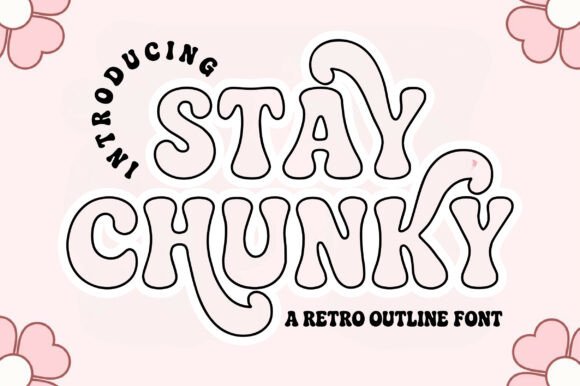
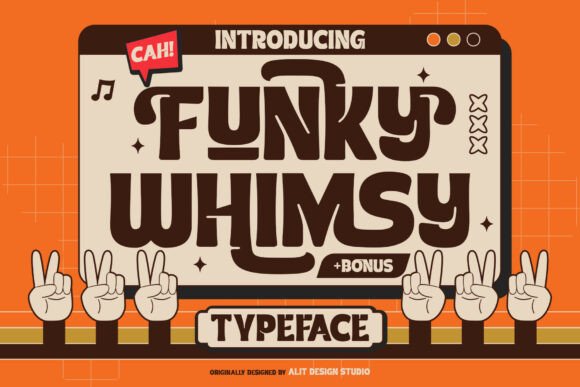
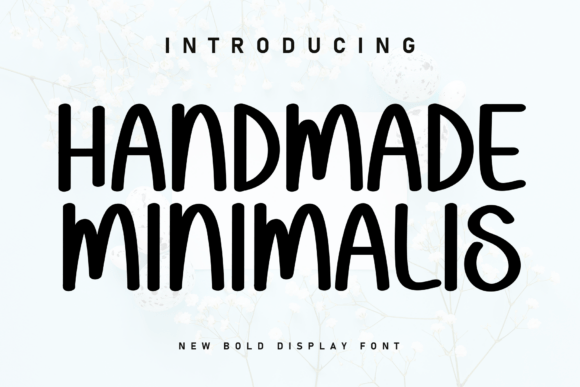
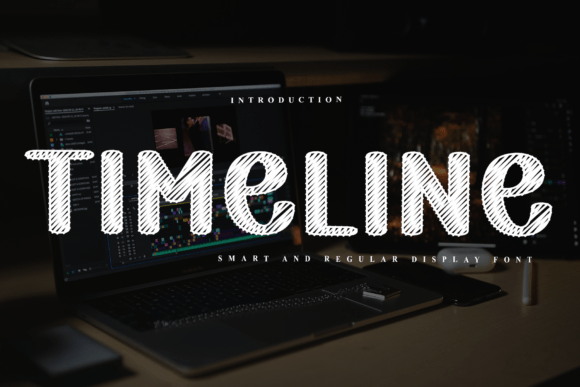
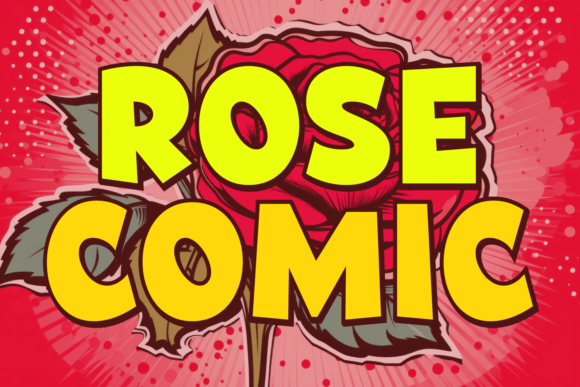
Rose Comic distinguishes itself through its cheerful characters and lively style. Unlike rigid digital fonts where every letterform is mathematically perfect, this typeface embraces organic imperfections that mimic human handwriting while maintaining the consistency required for professional layout work. The strokes have a natural bounce, suggesting movement and energy rather than static placement. This inherent dynamism makes it exceptionally effective for capturing attention in crowded visual environments like Instagram feeds or retail shelves.
While categorized as a display font, it avoids the chaotic illegibility that plagues many decorative scripts. The letterforms are open and rounded, prioritizing clarity even at smaller headline sizes. This balance of whimsy and function allows it to serve as a primary heading font without sacrificing user experience. For entrepreneurs and content creators, this means you can express creativity and radiate love through your text without alienating audiences who value readability. It sits comfortably alongside modern typography trends, offering a softer alternative to the bold, heavy weights currently popular in tech and corporate branding.
Strategic Applications Across Creative Industries
Versatility is key when investing in creative fonts, and Rose Comic adapts surprisingly well across various mediums. Its application extends far beyond traditional comic books, though it certainly excels there. In editorial design, it serves as an excellent pull-quote font or chapter title marker, breaking up dense body copy and guiding the reader’s eye through the page. For publishers working on middle-grade fiction or graphic memoirs, it provides an authentic tone that resonates with younger readers while remaining sophisticated enough for adult audiences.
In the realm of branding and marketing, this typeface helps establish a specific emotional connection. Small business owners in the bakery, craft, education, or wellness sectors often struggle to find commercial fonts that feel friendly without looking amateurish. Rose Comic solves this by providing a polished yet playful aesthetic that enhances brand identity. When used in logo design, it suggests a company that values human connection and creativity. On packaging design, particularly for products targeting families or gift-givers, it adds a tactile quality that implies care and craftsmanship.
Digital creators also benefit from its strong screen presence. Social media graphics rely heavily on instant recognition, and the unique silhouette of Rose Comic letters creates memorable visual hooks. Bloggers can use it to highlight key takeaways or create custom Pinterest pins that stand out in search results. Because it carries such strong character, it reduces the need for excessive graphical embellishments, allowing the typography itself to do the heavy lifting in your composition.
Mastering Font Pairing and Visual Hierarchy
To maximize the impact of Rose Comic, thoughtful font pairing is essential. As a display font with significant personality, it requires a supportive partner that provides stability and contrast. Pairing it with another decorative or handwritten font often leads to visual clutter and competing focal points. Instead, anchor it with a clean, neutral sans serif font for body text. Typefaces like Inter, Open Sans, or Montserrat provide the necessary structural foundation, allowing Rose Comic to shine as the star of the show without overwhelming the viewer.
For projects requiring a more traditional or literary feel, consider pairing it with a simple serif font. A classic transitional serif like Merriweather or Georgia creates a delightful tension between old-world formality and modern playfulness. This combination works beautifully in educational materials, museum signage, or heritage brands looking to soften their image. The key is to maintain clear visual hierarchy; let Rose Comic handle the headlines, captions, and call-to-action buttons, while relegating functional information to your secondary typeface.
- Headlines: Use Rose Comic for main titles and short phrases to maximize impact and legibility.
- Body Copy: Avoid using this font for long paragraphs; reserve it for accents and emphasis.
- Spacing: Increase tracking slightly in all-caps settings to improve airflow and prevent letter collision.
- Color: Test high-contrast color combinations to ensure accessibility standards are met.
Evaluating Fit and Licensing for Professional Work
Before integrating any premium font into a project, assessing technical fit and licensing is crucial for avoiding future complications. While Rose Comic radiates fun, it must still align with your project’s practical requirements. Always test the font in context before finalizing your design assets. Print out samples at actual size if working on physical media, as screen rendering can sometimes mask spacing issues or weight inconsistencies. For web design, verify that the font files are optimized for performance and that the license covers web embedding if you plan to use it as a live text element rather than an image.
Understanding commercial licensing protects both designers and clients. If you are a freelancer or agency creating work for hire, ensure your license covers the intended usage scope. Some licenses differentiate between desktop use, web use, and app embedding. Clarifying these details upfront prevents legal headaches down the road. Additionally, review the included styles and alternates. Many creative fonts include ligatures, swashes, or alternate characters that can add bespoke flair to logo design or custom lettering projects. Utilizing these built-in features can elevate a standard layout into something truly unique without requiring custom illustration work.
Ultimately, Rose Comic succeeds because it understands the assignment of modern playful typography. It respects the reader’s time by remaining legible while delivering the emotional payload of joy and whimsy. For adults designing for diverse audiences, it offers a reliable way to soften corporate messaging, enhance storytelling, and create designs that feel genuinely human. By treating it as a serious design asset rather than just a novelty, you unlock its full potential to transform ordinary text into engaging visual experiences that resonate with viewers and strengthen brand recognition.