Evaluating Raiko: When Neo Tokyo Aesthetics Fit Your Design Strategy
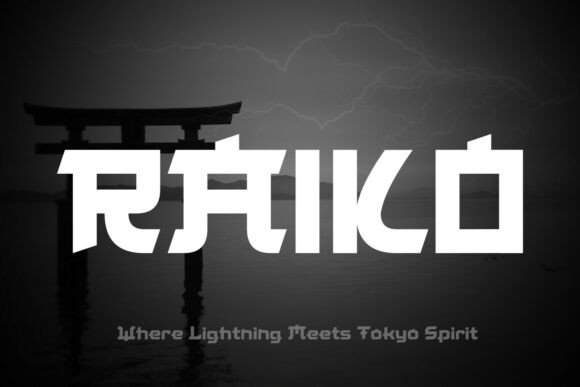
Selecting the right display typeface requires balancing visual impact with functional clarity, especially when targeting niches that value cultural authenticity and modern aggression. Raiko enters this space as a bold, Japanese-inspired display font characterized by sharp angles and a strong geometric structure. Unlike traditional brush-script calligraphy or standard sans-serif fonts attempting an "Asian" look through superficial styling, Raiko integrates Neo Tokyo aesthetics directly into its construction. For designers and brand managers evaluating typography for gaming, streetwear, hospitality, or cinematic projects, understanding where Raiko fits within the broader typographic landscape is essential for making an informed selection.
Defining the Raiko Aesthetic and Structural Approach
Raiko distinguishes itself through a synthesis of futuristic geometry and cultural resonance. The typeface avoids the common pitfall of mimicking hand-painted strokes digitally; instead, it interprets the spirit of Japanese design through rigid, electrifying forms. The uppercase and lowercase characters maintain a consistent weight and angularity that evokes both lightning and architectural precision. This deliberate construction creates a dynamic presence that feels engineered rather than drawn.
When evaluating Raiko against other display options, consider its specific visual vocabulary. It occupies a middle ground between pure cyberpunk sci-fi fonts and traditional cultural typography. While many "tech" fonts sacrifice readability for ornamentation, Raiko retains clean legibility despite its aggressive form. This balance makes it viable for applications beyond mere decoration, such as product packaging or restaurant signage where instant recognition is necessary. The font’s distinct punctuation and numerals are designed to match the primary glyphs, ensuring that pricing, stats, or technical data do not visually clash with the headline text.
Comparing Raiko to Alternative Display Styles
To determine if Raiko is the correct resource for your project, it is helpful to compare it against three common alternatives often considered for similar demographics.
- Traditional Brush Calligraphy: Fonts emulating Shodo (calligraphy) offer high cultural authenticity and organic flow. However, they can struggle with modern scaling and may feel out of place in tech-forward or urban contexts. Raiko offers a structured alternative that signals Japanese influence without relying on historical nostalgia, making it better suited for esports or modern streetwear.
- Standard Geometric Sans-Serifs: While versatile and highly legible, standard geometric fonts often lack the specific cultural edge required for themed branding. They provide neutrality but miss the "electrifying energy" Raiko delivers. If your project requires immediate genre signaling—such as an anime convention poster or a ramen bar menu—a neutral sans-serif may require excessive graphic support to achieve what Raiko communicates intrinsically.
- Distressed or Grunge Display Fonts: These are popular in streetwear and gaming for their raw texture. However, grunge fonts can suffer from poor reproduction at small sizes or on digital screens. Raiko’s clean, vector-sharp edges ensure consistency across mediums, from large-format billboards to mobile app interfaces, whereas textured alternatives often lose definition.
Optimal Use Cases and Practical Applications
Raiko performs best in environments where strength, precision, and cultural specificity intersect. Its design parameters align closely with several key industries, though success depends on appropriate implementation.
Hospitality and Restaurant Branding
For Japanese restaurants, particularly those focusing on izakaya, ramen, or fusion concepts, Raiko provides a contemporary identity marker. It moves away from clichéd bamboo or wave motifs, offering a sleeker, more urban dining atmosphere. When used on menus or exterior signage, the font’s strong structure aids readability in low-light environments common in nightlife districts. However, for high-end kaiseki or traditional tea houses, Raiko’s aggressive geometry may conflict with the serene, minimalist aesthetic those venues typically cultivate. In such cases, a lighter weight serif or authentic calligraphy remains the superior choice.
Gaming, Esports, and Anime Media
The gaming industry frequently seeks typography that conveys speed and power. Raiko’s sharp angles and futuristic construction make it naturally compatible with fighting games, racing titles, and cyberpunk narratives. Unlike generic "gamer" fonts that rely on excessive bevels or glows, Raiko’s base form carries the energy, allowing designers to apply effects sparingly. For esports team logos or tournament overlays, the font’s distinct silhouette ensures brand recognition even at thumbnail sizes. Content creators producing anime reviews or fan edits will also find that Raiko bridges the gap between source material aesthetics and modern YouTube thumbnail standards.
Streetwear and Product Packaging
Urban fashion relies heavily on typography as a primary graphic element. Raiko works effectively on garment tags, hoodie backs, and sneaker boxes because its geometric nature complements industrial manufacturing processes like embroidery and heat transfer. The font’s bold weight holds up well on fabric textures where fine details might be lost. Similarly, for beverage or snack packaging targeting a younger demographic, Raiko creates shelf impact through contrast. Designers should note, however, that because the font is visually dense, it requires ample negative space to prevent packaging from looking cluttered.
Tradeoffs, Limitations, and Decision Factors
No single typeface solves every design challenge. Recognizing Raiko’s limitations is as important as understanding its strengths to avoid costly rebranding or layout issues later in production.
Legibility vs. Impact
Raiko is strictly a display typeface. Its intricate angles and bold weight make it unsuitable for body copy, long-form text, or user interface elements requiring extended reading. Attempting to use Raiko for paragraph text will result in fatigue and poor accessibility. Designers must pair it with a complementary, neutral sans-serif for supporting content. If your project requires a single font family to handle both headlines and extensive body text, Raiko cannot fulfill this role alone.
Cultural Tone and Audience Perception
While Raiko is inspired by Japanese aesthetics, it is a stylized interpretation rooted in Neo Tokyo futurism. Audiences seeking traditional, historical, or soft cultural representations may perceive the font as too industrial or aggressive. It is crucial to evaluate whether your target demographic associates "Japanese style" with tradition or modernity. For heritage brands, Raiko might signal a disconnect; for innovation-focused brands, it signals relevance.
Technical Versatility
The font includes distinctive uppercase, lowercase, numbers, and punctuation, which covers most Latin-based design needs. However, teams working on global campaigns requiring CJK (Chinese, Japanese, Korean) character sets must verify language support. If Raiko does not include native Kanji or Kana glyphs that match its Latin style, designers may need to commission custom lettering or find a secondary typeface for non-Latin markets to maintain visual cohesion.
Making the Final Selection
Choosing Raiko should be a strategic decision based on project goals rather than trend following. It is the right choice when the objective is to communicate power, modernity, and specific cultural energy simultaneously. It excels in competitive visual environments where standing out is paramount, such as crowded app stores, festival posters, or retail shelves.
Conversely, readers should explore alternative options if their priority is subtlety, historical accuracy, or extended readability. Evaluate your current design system: does it need an injection of electric energy, or does it need calming stability? Test Raiko in context before committing. Render mockups at actual size, check contrast ratios for accessibility, and view the typeface alongside your existing brand assets. By treating Raiko as a specialized tool within a broader typographic toolkit, designers can leverage its unique Neo Tokyo attitude effectively while maintaining professional standards and functional integrity.