Black Chunky: Mastering the Ultra-Heavy Display Font Without Overwhelming Your Design
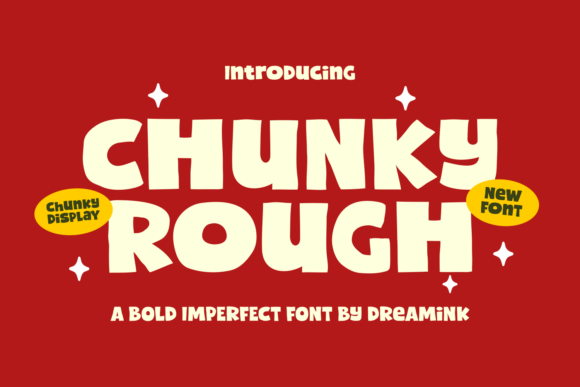
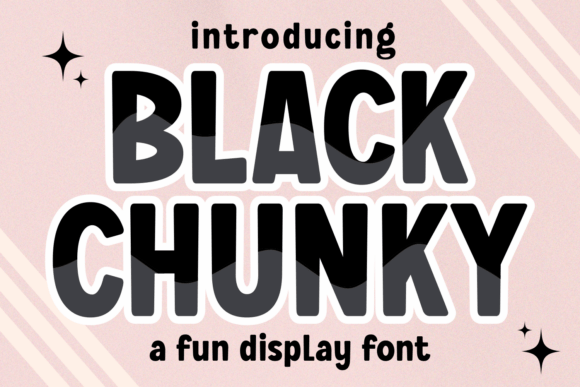
Making a bold statement requires more than just increasing font size; it demands a typeface that carries inherent personality and structural integrity. Black Chunky is an ultra-heavy display font specifically engineered to anchor visual compositions with playful authority. Unlike standard bold sans-serifs that simply thicken existing strokes, this typeface features massive, blocky letterforms softened by rounded corners and an organic, slightly irregular rhythm. This unique combination creates a bubble aesthetic that feels simultaneously modern and handcrafted, making it a powerful tool for streetwear branding, casual apparel graphics, high-impact social media headers, and youth-oriented event posters.
However, the extreme visual weight of Black Chunky is a double-edged sword. While it delivers professional, human-centric warmth and infectious creative energy, it also demands restraint and strategic application. Many designers and marketers are drawn to its legendary presence but struggle when integrating it into cohesive systems. Understanding how to leverage its strengths while avoiding common pitfalls is essential for ensuring your headlines maintain their impact without compromising usability or brand clarity.
The Misconception of Universal Versatility
One of the most frequent mistakes creators make is treating Black Chunky as a versatile workhorse rather than a specialized accent. Because the font feels friendly and approachable, there is a temptation to use it for subheadings, captions, or body copy. This approach almost always fails. The letterforms are designed for maximum impact at large sizes, and reducing them diminishes the very characteristics that make them special. At smaller point sizes, the soft, rounded corners can blur together, and the organic rhythm loses its intentionality, appearing muddy rather than crafted.
To avoid this degradation in quality, reserve Black Chunky strictly for primary headlines, logos, or short call-to-action buttons. Pair it with a clean, neutral sans-serif or a structured grotesque for supporting text. This contrast not only preserves the legibility of your informational content but also amplifies the playful authority of the display font. When Black Chunky stands alone against negative space or simple typography, its human-centric warmth becomes the focal point rather than getting lost in visual noise.
Navigating Kerning and Spacing in Organic Typefaces
Display fonts with an irregular rhythm present unique challenges regarding spacing. A common oversight is relying entirely on default metrics or applying uniform tracking adjustments. Black Chunky’s handcrafted nature means that the negative space between letters varies intentionally to create a specific cadence. Applying tight tracking to achieve a "solid block" look often destroys this organic flow, causing the soft corners to collide and creating awkward dark spots that distract from the message.
Conversely, adding too much tracking can sever the visual connection between characters, making the wordmark feel disjointed rather than unified. Before finalizing any layout, manually inspect the kerning pairs at the intended display size. What looks acceptable in a design software viewport may appear unbalanced when printed on apparel or viewed on a mobile screen. Test the typeface in its actual environment. For streetwear graphics, print a sample at 100% scale to verify that the bubble aesthetic maintains its integrity. For digital headers, check multiple breakpoints to ensure the organic rhythm translates across devices.
Evaluating Technical Quality Before Licensing
Not all heavy display fonts are created equal, and assuming quality based on preview images can lead to costly production issues. When evaluating Black Chunky or similar ultra-heavy typefaces, scrutinize the vector construction before purchasing or downloading. Poorly constructed heavy fonts often suffer from overlapping paths, open contours, or inconsistent curve tension. These defects might be invisible in a JPEG mockup but will cause significant problems during vinyl cutting, embroidery digitizing, or large-format printing.
- Check Outline Integrity: Ensure all shapes are closed paths with no stray points. This is critical for merchandise production where clean cut lines are mandatory.
- Verify Language Support: If your project targets international audiences or includes multilingual elements, confirm the character set covers necessary diacritics. Heavy display fonts sometimes have limited glyph sets, forcing you to mix mismatched typefaces mid-headline.
- Test Rendering at Scale: Zoom in to 800% to inspect curve smoothness. Jagged edges or flat segments in rounded corners indicate low-resolution vectors that will pixelate or print poorly.
- Review Licensing Terms: Streetwear and commercial branding often require specific license tiers. Verify that your intended usage—whether for physical products, digital ads, or embedded web fonts—is covered to avoid legal complications later.
Balancing Playful Authority with Brand Alignment
The infectious creative energy of Black Chunky makes it irresistible for brands wanting to appear youthful and dynamic. However, adopting this aesthetic without considering long-term brand consistency is a strategic error. The font’s distinct personality can quickly dominate a visual identity, potentially overshadowing other brand elements or conflicting with established tone. A financial advisory firm or medical clinic using this typeface might inadvertently signal immaturity rather than approachability, undermining trust despite good intentions.
Before committing to Black Chunky, assess whether its playful authority aligns with your audience’s expectations and your brand’s core values. It excels in contexts where creativity, self-expression, and informality are assets. For more conservative industries, consider using it sparingly as a campaign-specific accent rather than a permanent identity element. This allows you to tap into its high-impact energy for product launches or seasonal promotions without permanently altering your brand’s perceived professionalism.
Optimizing for Digital and Print Environments
The way ultra-heavy type renders differs significantly between screens and physical media. On digital platforms, anti-aliasing can soften the already-rounded corners of Black Chunky, potentially reducing contrast against colored backgrounds. Always test headline colors against various background shades to ensure WCAG accessibility standards are met. The font’s thickness provides excellent contrast potential, but only if color choices support readability rather than fighting against the letterform’s density.
In print applications, particularly on textured surfaces like cotton apparel or uncoated paper, ink spread can fill in the negative spaces within and between letters. Account for this by allowing slightly more breathing room in layouts destined for porous materials. What works perfectly on a glossy business card may become illegible on a vintage-wash t-shirt. Request press proofs or fabric samples before approving large production runs. This practical verification step prevents expensive reprints and ensures the legendary presence you envisioned translates faithfully to the final product.
Making Informed Typography Decisions
Choosing Black Chunky should be a deliberate decision rooted in project requirements rather than trend following. Its strength lies in its ability to communicate warmth and confidence through form alone, but this power requires respectful handling. By understanding its limitations regarding size, spacing, technical construction, and contextual appropriateness, you transform it from a novelty into a reliable design asset.
Remember that the goal is effective communication, not just aesthetic appeal. When used correctly, Black Chunky anchors designs with unmistakable presence that resonates emotionally with viewers. When misused, it becomes visual clutter that obscures your message. Take time to test, pair thoughtfully, and verify technical specifications. This disciplined approach ensures that your investment in distinctive typography yields professional results that serve both your creative vision and your audience’s needs.