Dary: Elevating Brand Identity with Modern Serif Elegance
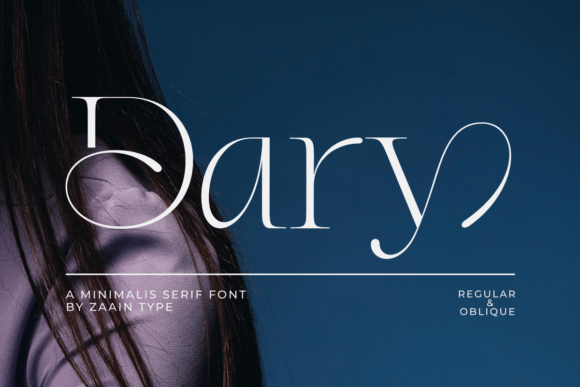
Selecting the right typeface is often the difference between a design that feels expensive and one that looks unfinished. Dary has emerged as a compelling solution for designers and business owners seeking a modern serif font that bridges the gap between classical tradition and contemporary aesthetics. With its graceful curves, sharp details, and balanced contrast, this typeface offers a luxurious appearance that works exceptionally well for fashion, beauty, editorial layouts, and premium branding. However, the very features that make Dary so attractive can also lead to usability issues if applied without strategic intent.
Many creators are drawn to Dary because it solves a specific visual problem: the need for sophistication without stiffness. Unlike older transitional serifs that can feel dated, or high-contrast didones that sometimes sacrifice legibility for style, Dary maintains excellent readability while delivering a strong visual identity. Yet, having a beautiful tool does not guarantee a beautiful result. To truly leverage this font family, you must understand not just its strengths, but the common pitfalls that occur when integrating such a distinct character into professional projects.
The Trap of Over-Styling in Body Copy
One of the most frequent mistakes made with expressive serifs like Dary is the assumption that elegance translates universally across all text sizes. Because the font shines in headlines and display settings, there is a temptation to use it for extended body copy to maintain thematic consistency. While Dary is designed with readability in mind, its refined details and moderate contrast are optimized for larger point sizes.
When scaled down below 14px for dense paragraphs, the sharp details that define its luxury aesthetic can begin to compete with the reading flow. On lower-resolution screens or in print materials with less-than-ideal paper quality, the thinner strokes may disappear or appear broken, creating a textured grayness that fatigues the reader. This does not mean you should avoid Dary for secondary text, but rather that you must be intentional about hierarchy.
A more effective approach is to reserve Dary for elements where impact matters most: titles, pull quotes, navigation labels, and short introductory statements. Pair it with a clean, neutral sans-serif or a highly legible slab serif for long-form content. This contrast actually enhances the perceived value of Dary by giving it space to breathe. When the eye encounters the serif after reading neutral text, the elegance feels deliberate and rewarding rather than exhausting.
Neglecting Optical Sizing and Spacing Adjustments
Another overlooked detail involves treating digital font files as static assets. Dary’s balanced proportions look stunning at standard display sizes, but typography is relative. A common error occurs when designers set a headline in Dary at 72pt and assume the tracking (letter-spacing) will remain appropriate when that same style is used at 24pt for subheads or captions.
Serif fonts with high stylistic contrast often require tighter tracking at large sizes to create cohesion and looser tracking at smaller sizes to prevent letters from visually colliding. Failing to adjust these micro-details can make a logo look disjointed or a subhead appear cramped. Before finalizing any layout using Dary, manually test the spacing at every size you intend to use. What looks perfect on a desktop mockup may fail on mobile viewports where screen real estate compresses the letterforms.
Misaligning Tone with Industry Context
Dary carries a specific emotional weight. It communicates refinement, softness, and premium quality through its curved terminals and sophisticated structure. A practical mistake arises when this font is chosen solely for its beauty rather than its communicative fit. Using Dary for industries that require utilitarian clarity, technical precision, or rugged durability can create cognitive dissonance for the audience.
For example, while Dary is ideal for a skincare line, a boutique hotel, or an art gallery, it may send mixed signals if used for industrial safety signage, discount retail promotions, or technical documentation. The font’s inherent luxury implies a certain price point and level of care. If your brand positioning relies on accessibility, speed, or raw functionality, the sophistication of Dary might inadvertently signal exclusivity or slowness.
Always evaluate the typeface against your brand voice before purchasing or downloading. Ask yourself if the graceful curves support your message or distract from it. If you love the aesthetic but your industry demands a harder edge, consider using Dary only for accent elements while choosing a primary typeface that anchors the functional requirements of your sector.
Licensing and File Format Oversights
Beyond design application, administrative errors frequently undermine the success of premium typography. Dary is available through various marketplaces and foundries, and licensing terms vary significantly. A common issue for freelancers and small business owners is securing a desktop license for mockups but forgetting to acquire the necessary webfont or app licenses for deployment. This can lead to project delays, unexpected costs, or legal complications down the line.
Additionally, ensure you are obtaining the correct file formats for your intended medium. OpenType (OTF) files typically offer better support for advanced typographic features like ligatures, alternates, and small caps, which are essential for maximizing Dary’s expressive potential. TrueType (TTF) versions may lack these refinements. Always check the specimen PDF or product description to confirm feature support before committing. Testing the actual font files in your design software during the evaluation phase prevents the disappointment of discovering missing glyphs after purchase.
Maximizing Readability Through Contrast Management
Because Dary relies on balanced contrast to achieve its luxurious look, background color and texture choices become critical variables. Placing this typeface on busy photographic backgrounds or low-contrast colored fields can negate its carefully engineered legibility. The sharp details that provide definition against white space can easily get lost against complex imagery.
To avoid this, establish clear zones of negative space wherever Dary appears. If overlaying text on photography is necessary, use scrims, gradients, or solid color blocks to create a stable foundation. Test your color combinations not just on your calibrated monitor, but on mobile devices and in varied lighting conditions. Accessibility should never be sacrificed for aesthetics; ensure your contrast ratios meet WCAG standards even when using stylized serifs.
Ultimately, Dary is a powerful asset for creating memorable visual identities. Its blend of timeless elegance and modern refinement makes it a standout choice for those willing to apply it with discipline. By avoiding common misapplications regarding scale, spacing, contextual tone, and technical specifications, you transform this font from a mere decorative element into a strategic communication tool. The goal is not just to use a beautiful typeface, but to build a cohesive system where every typographic decision reinforces clarity, professionalism, and brand trust.