Aconite: Integrating Vintage Botanical Typography into Holiday Design
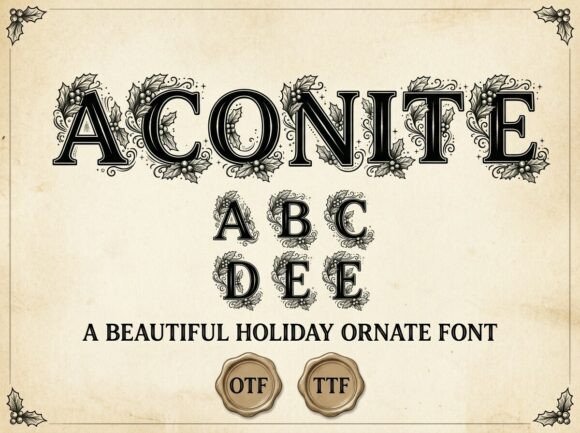
Celebrate the season of elegance with Aconite, a holiday-inspired ornate font that captures the magic of a vintage winter. In the crowded landscape of seasonal typography, where generic scripts and standard serifs often dominate, finding a typeface that balances readability with genuine artistic heritage is a distinct challenge for designers and business owners alike. Each character in this collection is a masterfully etched work of art, entwined with classic holly leaves, delicate berries, and shimmering celestial stardust. Understanding how to leverage such a specialized asset requires moving beyond simple aesthetic appreciation and examining its functional role in luxury branding, editorial design, and festive communication.
The Intersection of Heritage and Visual Storytelling
Typography serves as the voice of visual communication, and during the holiday season, that voice must convey warmth, tradition, and sophistication without sacrificing clarity. The bold, traditional serif structure provides a timeless foundation, while the intricate botanical illustrations evoke the warmth of old-world Christmas cards and Victorian winter festivals. This duality is what separates decorative novelty fonts from usable design assets. For creators evaluating Aconite for upcoming projects, it is essential to recognize that this typeface operates at the intersection of illustration and letterform.
Unlike standard display fonts that rely solely on shape and weight to create impact, this typeface integrates narrative elements directly into the glyphs. The holly and berry motifs are not merely overlaid; they are structurally integrated, meaning the negative space and positive forms work together to maintain legibility. This level of craftsmanship ensures that the font remains functional even when scaled down for packaging or invitation suites, provided the designer respects the inherent complexity of the artwork. When selecting typography for heritage-focused campaigns, this integration offers a shortcut to establishing an authentic, historical atmosphere that would otherwise require separate illustrative assets.
Practical Applications Across Media
Perfect for luxury holiday branding, festive invitation suites, seasonal packaging, and deluxe editorial headers, Aconite brings a sense of heritage and festive wonder to every word. However, successful implementation depends on matching the font’s strengths to the appropriate medium. Below are specific scenarios where this ornate serif excels, along with practical considerations for execution.
- Luxury Packaging and Labels: On wine bottles, perfume boxes, or artisanal food packaging, the intricate details act as a texture that implies premium quality. Because the characters contain fine lines and botanical elements, ensure high-resolution printing or vector output to prevent detail loss. Dark backgrounds with metallic foil stamping often yield the best results, as the contrast highlights the celestial stardust elements.
- Formal Invitation Suites: For weddings, galas, or corporate holiday parties, the font sets an immediate tone of formality. Use it exclusively for names, dates, and primary headers. Pairing it with a clean, minimalist sans-serif for body copy prevents visual fatigue and ensures guests can easily read logistical details.
- Editorial and Digital Headers: In magazines, blogs, or email newsletters, this typeface serves as a powerful hook. It works best as a singular focal point. Avoid using it for subheads or captions; reserve it for the main title to maximize impact and maintain fast loading times if using web fonts.
- Social Media Graphics: When designing square posts or stories, the ornate nature of the letters fills space beautifully without needing additional clip art. This reduces clutter and keeps the focus on the message while maintaining a cohesive seasonal aesthetic.
Evaluating Suitability and Technical Considerations
While the aesthetic appeal of Aconite is undeniable, professionals must approach its use with technical mindfulness. Ornate display fonts carry specific limitations that differ from standard text faces. Understanding these constraints is vital for avoiding common design pitfalls that can undermine the elegance you aim to achieve.
Legibility and Hierarchy Management
The primary consideration when working with highly illustrated serifs is legibility. The very details that make the font beautiful—entwined leaves and stardust—can become visual noise if misused. Designers should adhere to strict hierarchy rules. This typeface is designed for display purposes, typically ranging from 48pt to over 100pt depending on the application. Using it below recommended sizes will cause the intricate botanical elements to merge, creating muddy shapes that are difficult to decipher.
Furthermore, spacing requires special attention. Standard tracking values applied to regular text often fail with ornate serifs because the decorative swashes extend beyond the standard bounding box. Manual kerning is frequently necessary to ensure that the holly leaves of one character do not awkwardly collide with the berries of the next. In digital environments, test rendering across multiple browsers and devices to ensure that fine details remain crisp and do not pixelate on lower-resolution screens.
Pairing Strategies for Balanced Composition
To let Aconite shine, it must be supported by complementary typography. The goal is to create a dialogue between the ornate and the understated. Since this font carries significant visual weight and historical connotation, pairing it with another decorative typeface usually results in competition rather than harmony.
- Select Neutral Partners: Choose geometric sans-serifs or transitional serifs with open apertures and consistent stroke widths. These provide a quiet backdrop that allows the ornate header to breathe.
- Mind the X-Height: Ensure the body text has a comfortable x-height relative to the display font. If the body text is too small compared to the ornate header, the composition will feel top-heavy and disjointed.
- Color Theory Application: Let the font dictate the color palette. Deep greens, burgundies, golds, and creams naturally align with the botanical and vintage themes. Avoid neon or overly saturated modern colors unless intentionally aiming for an ironic or avant-garde juxtaposition.
The Value of Authentic Seasonal Design
In an era of AI-generated imagery and instant templates, there is a growing consumer appetite for authenticity and tangible craftsmanship. Businesses and creators who invest in high-quality typographic assets like Aconite signal a commitment to detail that resonates with audiences seeking meaningful connections during the holidays. The font does more than spell out words; it communicates a brand ethos rooted in tradition, care, and celebration.
For business owners, this translates to perceived value. A seasonal campaign utilizing masterfully etched typography suggests that the same level of care has been applied to the products or services being offered. For independent creators and stationers, it provides a distinctive style marker that differentiates their work from mass-market alternatives. The versatility of the design—bridging Victorian nostalgia with contemporary luxury standards—ensures it remains relevant across various niches, from high-end retail to personal milestone celebrations.
Making the Final Selection Decision
Before integrating this typeface into your workflow, assess your project’s specific needs against its characteristics. Ask whether the project demands a whisper or a statement. If the goal is subtle background texture or extensive informational text, look elsewhere. However, if the objective is to capture the magic of a vintage winter through a singular, impactful visual element, this ornate serif is an exceptional tool.
Consider also the longevity of the asset. While explicitly holiday-themed, the underlying traditional serif structure gives Aconite potential utility beyond December. The botanical elements, while festive, are grounded in natural forms that can transition into broader "heritage" or "artisanal" branding contexts with slight adjustments in color and accompanying imagery. By viewing the font as a comprehensive design system rather than a seasonal gimmick, users can maximize their investment and continue to celebrate elegance throughout the year.
Ultimately, effective typography is about serving the content and the audience. When used with intention, respect for its intricacies, and strategic pairing, this font transforms ordinary text into an immersive experience. It invites the viewer to pause, appreciate the artistry, and engage with the message on a deeper emotional level. Whether you are designing a deluxe editorial header or a heartfelt family greeting, the right typeface acts as the perfect vessel for seasonal sentiment, ensuring that every word truly embodies the spirit of the occasion.